Brahmarishi Gritsamada
Other names: Gṛtsamada. A celebrated sage identified in the Mahabharata as the son of Vitahavya; tradition describes him as equal in splendour to Brihaspati and a close friend of Indra. Because of his resemblance to Indra, the Daityas once mistook him for Indra and afflicted him.
“King Vitahavya (Kshatriya) attained to the status of a Brahmana sage by virtue of the words only of Bhrigu. And he acquired also a complete mastery over all the Vedas through the same cause. Vitahavya had a son named Gritsamada who in beauty of person was a second Indra. Once on a time the Daityas afflicted him much, believing him to be none else than Indra. With regard to that high-souled Rishi, one foremost of Srutis in the Richs goes like this viz., He with whom Gritsamada stays, O Brahmana, is held in high respect by all Brahmanas. Endued with great intelligence, Gritsamada become a regenerate Rishi in the observance of Brahmacharyya. Gritsamada had a regenerate son of the name of Sutejas.” – The Mahabharata, Book 13: Anusasana Parva: Anusasanika Parva: Section XXX
“The illustrious Rishi Gritsamada, the dear friend of Sakra, who resembled the celestial preceptor Vrihaspati himself in splendour, addressing Yudhishthira of Ajamidha’s race said,–The inconceivable Sakra had, in days of yore, performed a sacrifice extending over a thousand years. While that sacrifice was going on, I was engaged by Sakra in reciting the Samans. Varishtha, the son of that Manu who sprung from the eyes of Brahma, came to that sacrifice and addressing me, said.–O foremost of regenerate persons, the Rathantara is not being recited properly by thee. O best of Brahmanas, cease to earn demerit by reading so faultily, and with the aid of thy understanding do thou read the Samans correctly. O thou of wicked understanding, why dost thou perpetrate such sin that is destructive of sacrifice.–Having said these words, the Rishi Varishtha, who was very wrathful, gave way to that passion and addressing me once more, said,–Be thou an animal divested of intelligence, subject to grief, ever filled with fear, and a denizen of trackless forests destitute of both wind and water and abandoned by other animals. Do thou thus pass ten thousand years with ten and eight hundred years in addition…
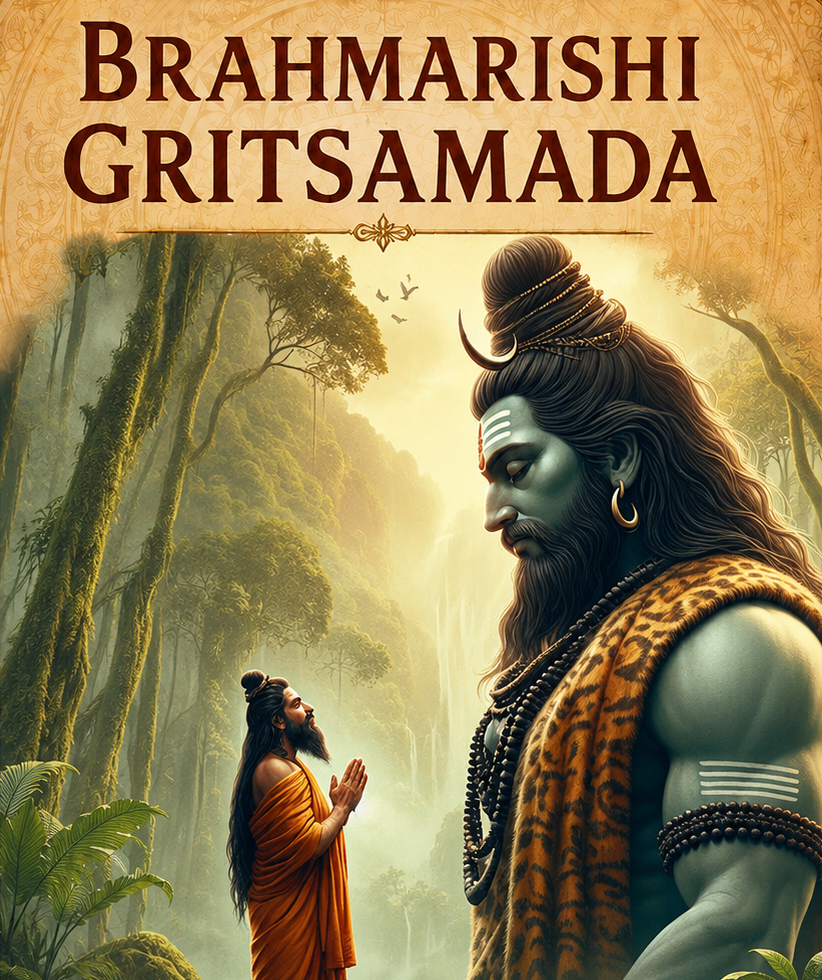
I immediately became transformed into a deer. I then sought the protection of Maheswara. The great Deity said unto me,–Thou shalt be freed from disease of every kind, and besides immortality shall be thine. Grief shall never afflict thee. Thy friendship with Indra shall remain unchanged, and let the sacrifices of both Indra and thyself Increase. The illustrious and puissant Mahadeva favours all creatures in this way.” – The Mahabharata, Book 13: Anusasana Parva: Anusasanika Parva: Section XVIII