Veda - Sage - Chola

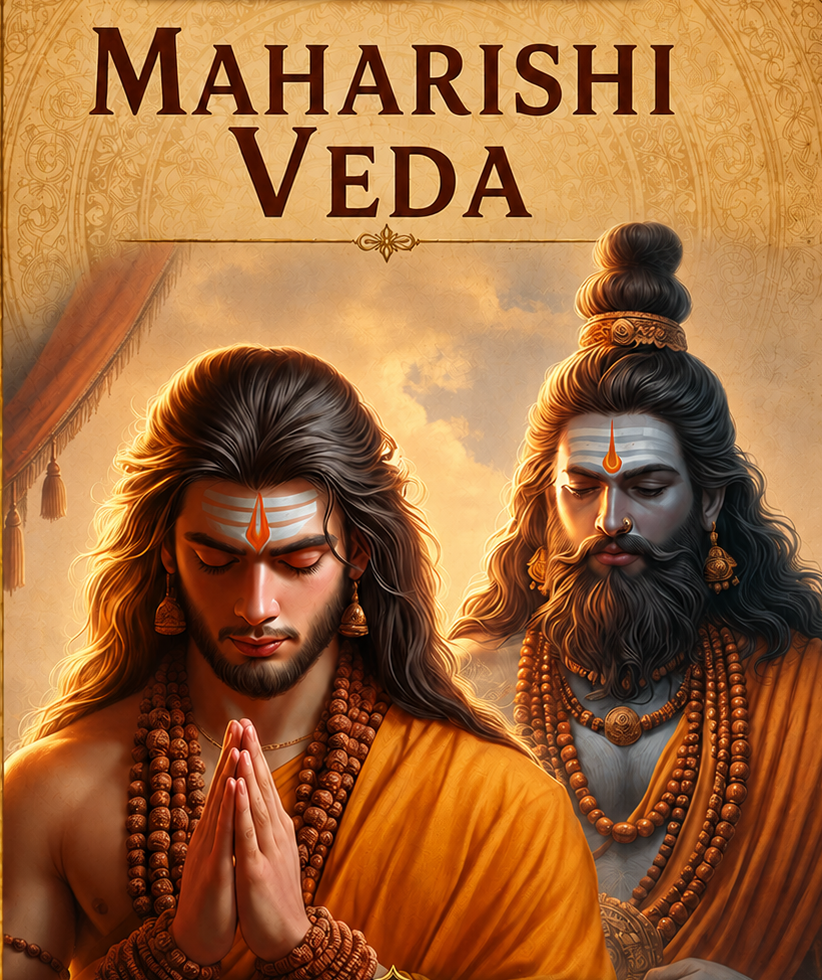
Maharishi Veda

Other names: Rishi Veda. One of the three disciples of Ayoda-Dhaumya, alongside Aruni and Upamanyu. In the Mahabharata, he patiently endured hardship while serving his preceptor, gained knowledge through that discipline, later entered household life, and became the teacher of Uttanka.

“Then Veda the other disciple of Ayoda-Dhaumya was called. His preceptor once addressed him, saying, ‘Veda, my child, tarry some time in my house and serve thy preceptor. It shall be to thy profit.’ And Veda having signified his assent tarried long in the family of his preceptor mindful of serving him. Like an ox under the burthens of his master, he bore heat and cold, hunger and thirst, at all times without a murmur. And it was not long before his preceptor was satisfied. And as a consequence of that satisfaction, Veda obtained good fortune and universal knowledge. And this was the trial of Veda. “And Veda, having received permission from his preceptor, and leaving the latter’s residence after the completion of his studies, entered the domestic mode of life. And while living in his own house, he got three pupils. And he never told them to perform any work or to obey implicitly his own behests; for having himself experienced much woe while abiding in the family of his preceptor, he liked not to treat” – The Mahabharata, Book 1: Adi Parva: Paushya Parva: Section III them with severity
Similar Posts

  • |

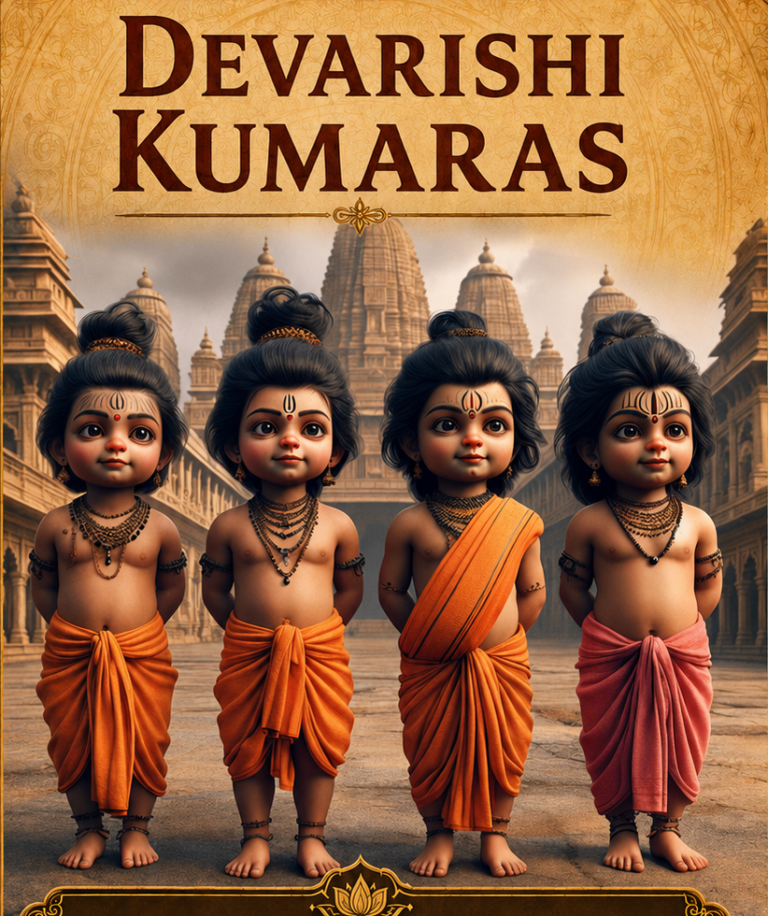
    Devarishi Kumaras

    Other names: Sanaka; Sanandana; Sanatana; Sanatkumara; Four Kumaras. The four child-sages are mind-born sons of Brahma and are famed for celibacy, detachment, and pursuit of spiritual knowledge. Vaishnava tradition remembers them as self-realized sages who received knowledge from Brahma and taught devotion and wisdom. “It hath been sung by Sanatkumara and by the highsouled Vyasa,…

  • |

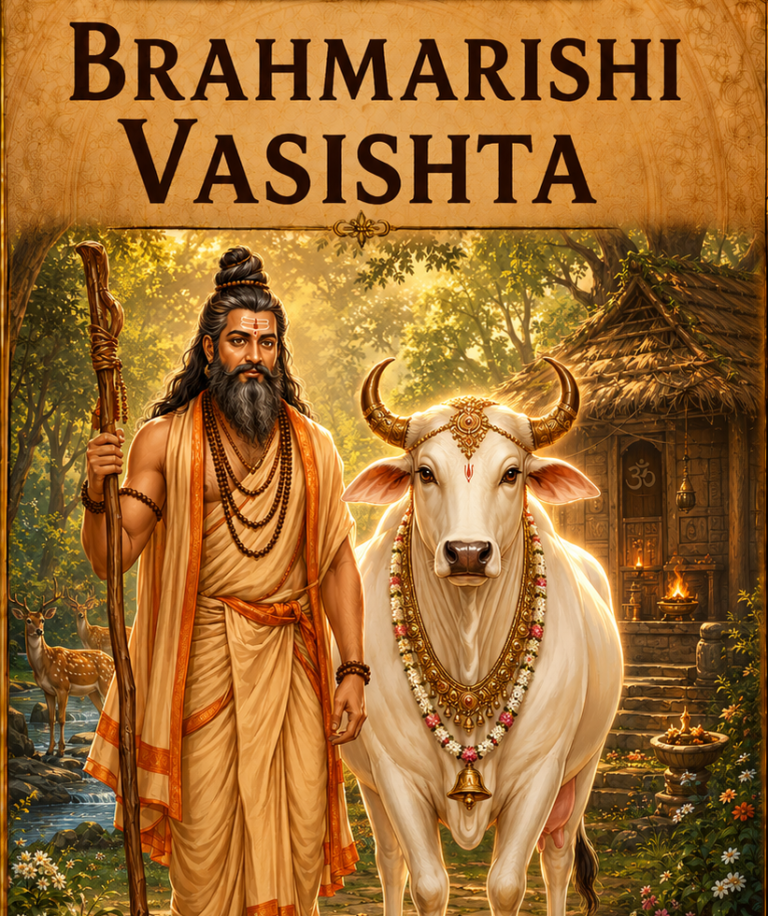
    Brahmarishi Vasistha

    Other names: Vasishtha; Vashistha; Vasishta. A mind-born son of Brahma, husband of Arundhati, chief among the Saptarishis, and priest of the Ikshvaku/Solar dynasty. His conflict with Vishvamitra over the divine cow Nandini is one of the major sage narratives showing the superiority of spiritual power over royal force. “Gandharva, saying, ‘I desire to hear of…

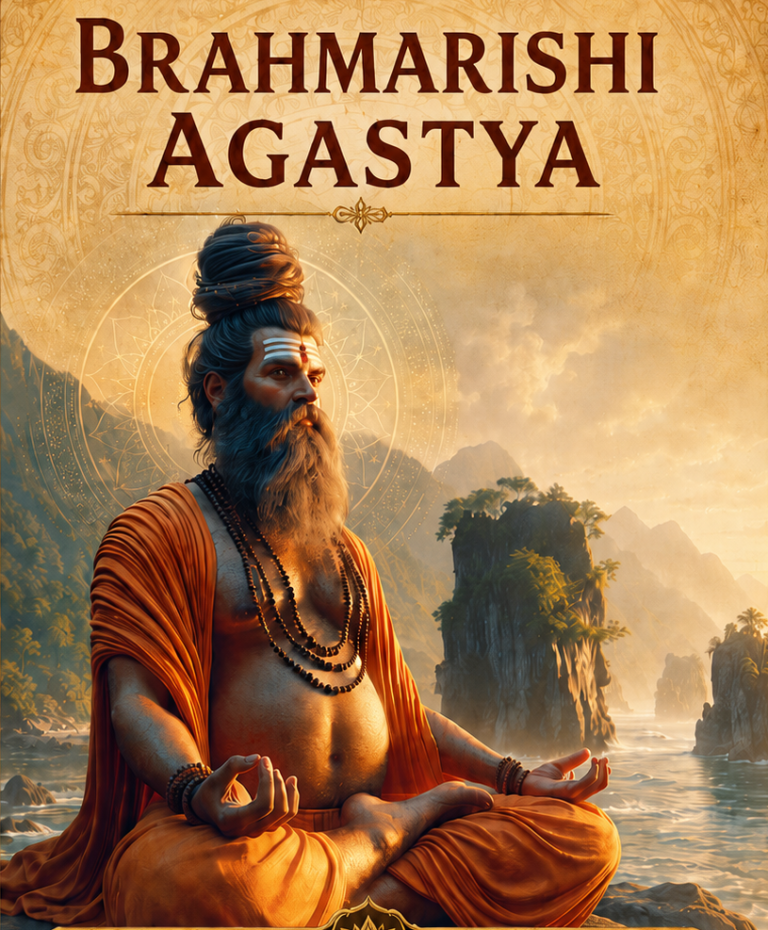
  • Brahmarishi Agastya

    Other names: Agasthya; Āgastya. Born from the powers of Mitra and Varuna in a water pot, he is famed as the husband of Lopamudra and a composer of Vedic hymns. His legends include drinking the ocean to aid the Devas, subduing the Vindhya mountain, and destroying the asura Vatapi. “And, O Yudhishthira, in the country…

  • |

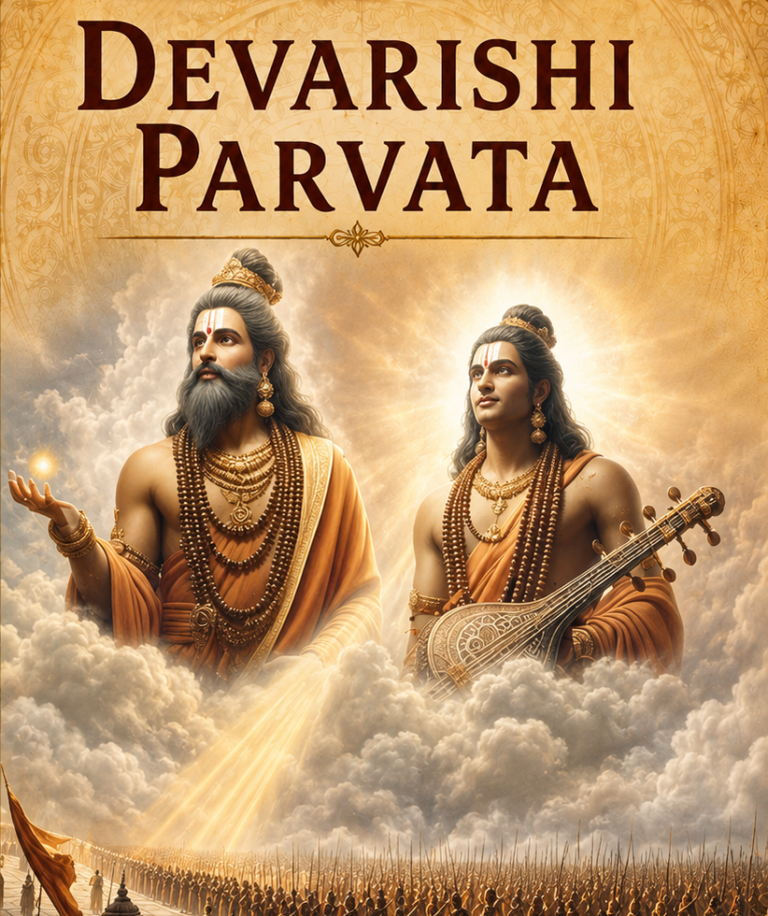
    Devarishi Parvata

    Other names: Parvata Muni. A Devarishi closely associated with Narada in Purana and Mahabharata traditions. Stories of Parvata often involve pilgrimage, curses, and royal courts, especially narratives in which he and Narada appear together as divine wandering sages. Sanjaya said, ‘During the progress of that fierce and terrible battle, when the world was enveloped with…

  • Devarishi Jaigishavya

    Other names: Jaigīṣavya. A yogic ascetic associated with Asita Devala in the Mahabharata. After Devala witnessed his extraordinary yogic reach, Jaigishavya instructed him in the path of Moksha, Yoga, and equanimity; tradition also places him among sages meditating in Brahma’s assembly. “Then Devala, beholding the power derived through Yoga of Jaigishavya’s penances, reflected upon it…

  • |

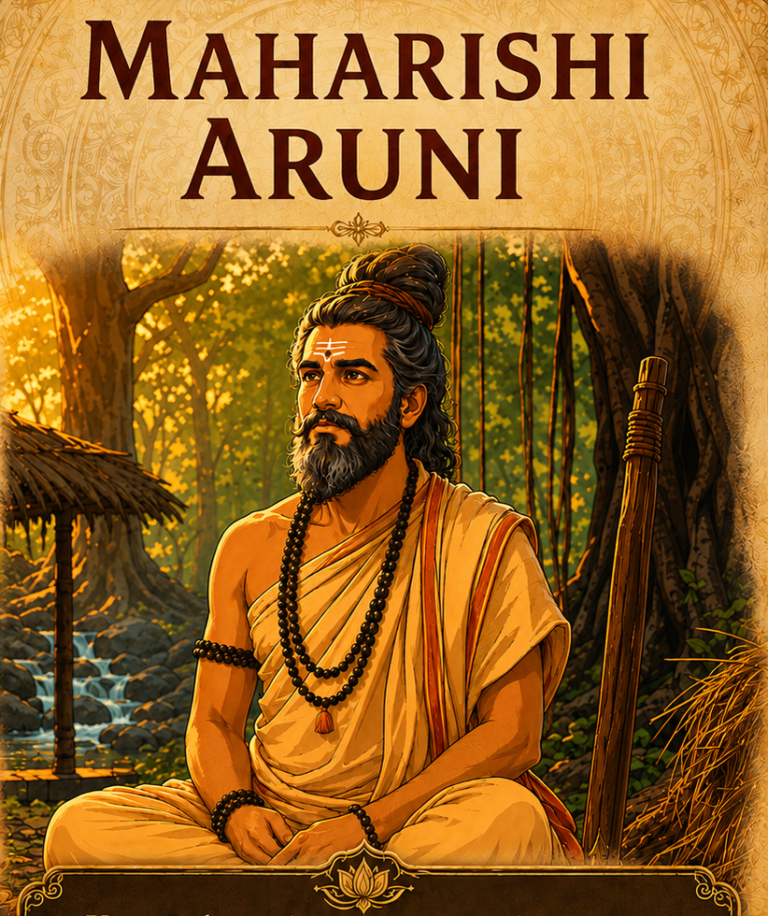
    Brahmarishi Aruni

    Other names: Uddalaka Aruni; Aruni of Panchala. A disciple of Ayoda-Dhaumya, famous for lying in a breached water-channel to stop the flow until his guru arrived, earning blessings through obedience. As Uddalaka Aruni, he is the father-teacher of Svetaketu in the Chandogya Upanishad and gives the celebrated teaching “Tat Tvam Asi.” “About this time there…

Leave a Reply

Your email address will not be published. Required fields are marked *